Low-Calorie Diet – this will work
Low-Calorie Diet – this will work Many understand the concept that by consuming too much fat it will end up being stored on our body. The science underlying this concept and the natural benefits of a low-calorie diet is less well understood. If we are to move forward it is helpful to know how fat…
Low-Calorie Diet – this will work
Many understand the concept that by consuming too much fat it will end up being stored on our body. The science underlying this concept and the natural benefits of a low-calorie diet is less well understood. If we are to move forward it is helpful to know how fat affects our diet and how we gain weight.
The energy available from a food item will depend on the relative proportions of fat, carbohydrates, and protein that are present. This energy is measured by a unit called a calorie which has its origins and definitions in the amount of energy required to heat one liter of water one degree centigrade at sea level.
This definition doesn’t help much when weight loss is the goal. In weight loss or exercise a calorie is a measure of energy expenditure and is more correctly a kilo-calorie (one thousand calories) and is calculated initially in a laboratory setting.
A guideline would be that a pound of fat (0.454 kg) stores 3500 calories of energy. In order to lose just one pound per week from a low-calorie diet a person would have to consume around 500 fewer calories per day than they use (500 calories per day for 7 days equals 3500 calories and one pound of loss).
The good news is that many foods purchased in the supermarket are well marked with the number of calories which can be used to make some estimates. How many calories that we use depends on a number of factors such as how active we are and how much muscle we have on our frame.
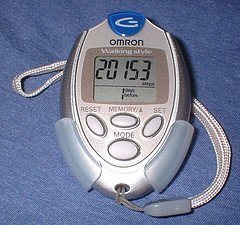
Women require a lower calorie intake than do men, mainly because of their lower muscle proportion. A sedentary lifestyle may only use around 1700 calories/day whereas with higher activity this may increase to 2900/day or even higher in a manual job. Just strolling around will burn about 100 cal/mile for someone weighing 150lb (70kg). We would need to walk 5 miles every day to achieve a 500 calorie deficit if we did not move to a low-calorie diet.
The number of calories in our food depends on the relative percentages of fat, carbohydrates, and protein. A snack that has a high proportion of fat may have two times as many calories as a snack that consists of protein and carbohydrates. This is explained by the fact that fat has 9 cal/gm and protein and carbohydrate have 4cal/gm. The dairy food groups such as milk, cheese, and butter typically have a higher fat content and it is best to shop for a low fat alternative if you are looking for a low-calorie diet.
Studies have shown that lean men and fat men often consume a similar number of calories. How-ever the obese men ate a higher proportion of fatty food which is more easily stored as fat than other food groups. Carbohydrates and protein require more calories to convert them to fat. Studies show they can consume as much as 25% of the calories in the food during this process.
By lowering the fat percentage of the diet without even reducing the total calories consumed weight loss could be evident. In spite of all the reduced fat choices that we have to eat, we still eat more fat than we need. It is found in a lot of those nice little additions we put on our food for taste such as dressing and sauces, and of course in a lot of those little treats such as deserts, cakes, and biscuits.
If a low-calorie diet is the aim reducing or eradicating these will be of great benefit. Just by lowering fat intake, even if total calorie intake does not change much, a positive response will be seen. You will recall that fat has slightly over double the calories of carbohydrates and protein so this is a great place to start when we are looking to lose weight.
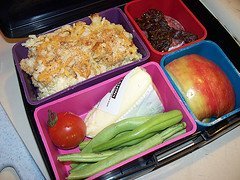
In any weight loss program it is best to not be in a rush so that the body can adapt to the changes and a boom and bust cycle of dieting and weight gain is avoided. One way is to look out for some enjoyable foods that have lower calories and can be used as replacements in a low-calorie diet. It can be difficult to give up on life’s little treats and indulgences when there are many opportunities, but if you are to have a healthy and long life this is a very good place to start.
For lots of other information on weight loss and building abs check out the articles on:-
http://www.lose-belly-now.com/low-calorie-diet.ph
Jonny has spent considerable time researching medical journals, books and other material to find the best answers to this often complicated and conflicting subject.
Jonny is an active participant in the weight loss and fitness industry. If you would like to check out lots more information and tips check out the attached link:
http://www.lose-belly-now.com